| RQP71391 | |
| I. Background | |
| The cannabinoid receptor CNR1 is Gs-coupled GPCRs expressed in primarily CNS and some peripheral neurones; particularly prevalent in basal ganglia, hippocampus, cerebellum, cerebral cortex and also presented in some non-neuronal cells and tissues, for example leukocytes and testis. A shorter human splice variant (411aa) has been identified in the brain and other tissues by reverse-transcriptase PCR but mRNA levels were less than 10-fold the levels of the longer isoform. The pharmacological characteristics of the isoforms are similar. | |
| II. Introduction | |
| Host Cell: | CHO |
| Stability: | 20 passages (in-house test, that not means the cell line will be instable beyond the passages we tested.) |
| Freeze Medium: | 90% FBS+10% DMSO |
| Culture Medium: | F12k+10%FBS+5ug/ml puromycin+5ug/ml blasticidin |
| Mycoplasma Status: | Negative |
| Storage: | Liquid nitrogen immediately upon delivery |
| Application(s): | Functional assay for CB1 receptor |
| Transducer: | Gi/Go family |
| Ⅲ. Description of Host Cell Line | |
| Organism: | Hamster |
| Tissue: | Ovary |
| Morphology: | Epithelial |
| Growth Properties: | Adherent |
| Ⅳ. Representative Data | |
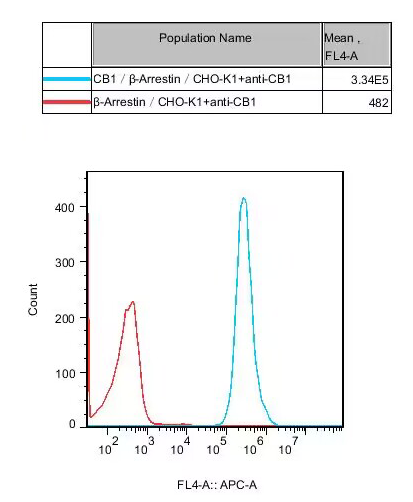
Figure 1. Recombinant CB1/β-Arrestin/CHO constitutively expressing CB1. | |
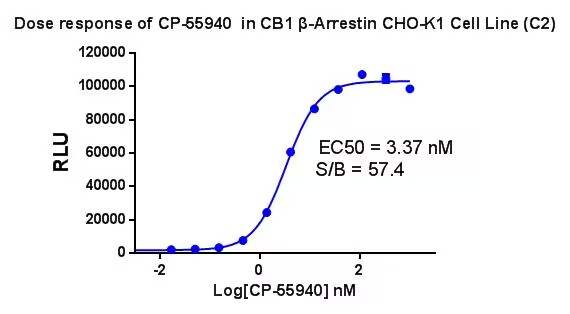
Figure 2.Dose response of CP-55940 in CB1 β-Arrestin CHO-K1 Cell Line (C2) | |
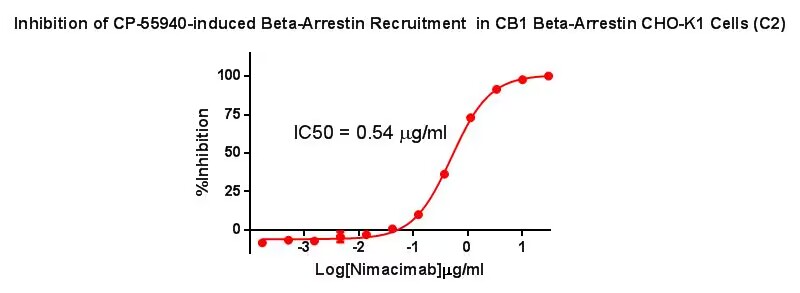
Figure 3.Inhibition of CP-55940-induced Beta-Arrestin Recruitment in CB1 Beta-Arrestin CHO-K1 Cells (C2). | |
E-mail:sales@reqbio.com
Add:3rd Floor, No. 6, Lane 222,
Guangdan Road, Pudong New Area,
Shanghai,China

WeChat public account